Sign-n-Pay Platform: Convenient Payment Solutions
Why Your Business Needs an E-Sign API: Simplifying Document Signing in 2026
By 2026, the demand for efficient document signing solutions continues to grow significantly. Businesses face increasing pressure to embrace digital workflows and remote operations. E-Sign APIs offer a streamlined approach to collecting signatures, minimizing delays and administrative burdens. Still, making this change is not entirely without difficulty. Grasping the advantages and deployment approaches can position companies for success in an increasingly competitive market. Which considerations should businesses evaluate before integrating this type of platform?
The Rise of E-Sign APIs: Why They Are Essential in 2026
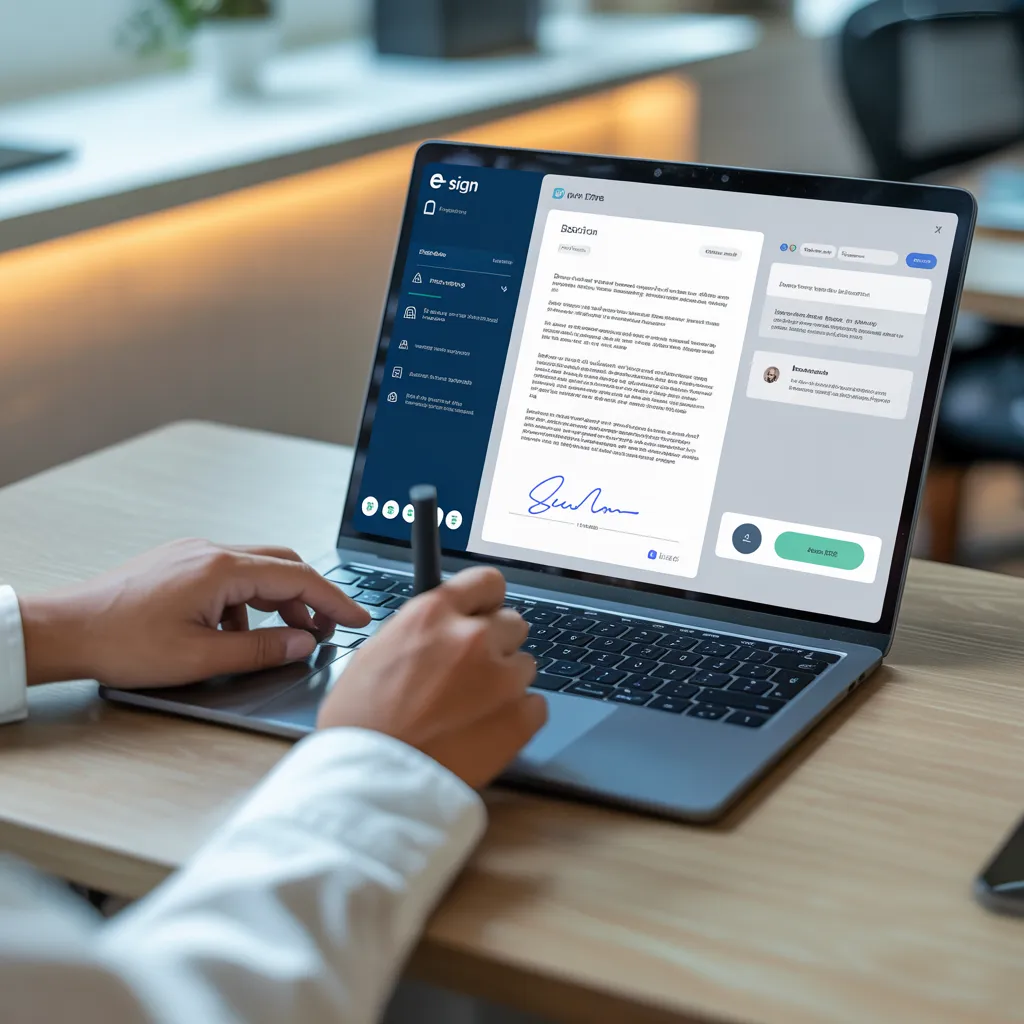
In what ways have E-Sign APIs reshaped the business world by 2026? The rise of E-Sign APIs has significantly transformed the way organizations handle document workflows. Through optimizing the signing process, organizations have boosted efficiency and minimized turnaround times, facilitating swifter transactions and decision-making. The integration of E-Sign APIs into existing systems has enabled seamless workflows, eliminating the need for physical signatures and paper documents. This shift has not only lowered expenses related to printing and mailing but has also supported sustainability initiatives by decreasing paper waste. In a competitive environment, companies leveraging E-Sign technology have gained a distinct advantage, improving customer experiences through faster service. Moreover, the expansion of remote work has driven the increased use of digital solutions, establishing E-Sign APIs as vital for organizations striving to maintain agility and responsiveness. Consequently, by 2026, E-Sign APIs have become integral to modern business operations, enhancing both operational efficiency and customer satisfaction.
The Top 5 Advantages of Adopting an E-Sign API
Adopting an E-Sign API provides companies many key advantages. These benefits include increased efficiency in workflows, strengthened document security measures, and cost-effective management solutions. Grasping these critical factors can assist businesses in making well-informed choices about implementing digital signature technology.
Greater Efficiency In Workflows
Adopting an E-Sign API transforms business operations by optimizing document signing processes. By digitizing signature acquisition, organizations can minimize delays traditionally associated with conventional signing processes. Such streamlining speeds up agreement turnaround times, enabling teams to secure deals and conclude agreements more quickly. Additionally, deploying e-signature solutions minimizes the requirement for traditional paperwork, cutting administrative workloads and elevating organizational efficiency. Team members can dedicate time to higher-value tasks rather than pursuing sign-offs or processing documentation. Additionally, instant tracking and status updates guarantee that everyone involved are informed of document progress, enabling seamless teamwork. Ultimately, adopting an e-signature API results in a more agile, responsive business environment, allowing organizations to respond swiftly to evolving market demands and client expectations.
Advanced Security Features
A key benefit of using an E-Sign API is the superior security it provides for digital transactions. These APIs incorporate advanced encryption protocols, ensuring that sensitive information stays secure during the signing process. Moreover, they often offer robust authentication methods, such as multi-factor authentication and biometric verification, which serve to validate the identity of signers. This reduces the risk of fraud and unauthorized access, fostering greater trust in digital agreements. In addition, E-Sign APIs keep a detailed audit trail, recording every action taken during the signing process, which can be critical for compliance and legal purposes. Ultimately, advanced security measures not only shield companies but also foster confidence among clients and partners, making digital transactions safer and more reliable.
Cost-Effective Document Management
Generating remarkable financial benefits, companies are progressively embracing E-Sign APIs for efficient document handling. By automating the signing process, organizations reduce paper usage and corresponding print-related expenditures, contributing to a more sustainable operation. Furthermore, E-Sign APIs minimize administrative expenses by doing away with the requirement for on-site storage and mailing services. This digital transformation shortens deal completion periods, allowing companies to close deals faster and enhance cash flow. In addition, the adoption of E-Sign API solutions streamlines adherence to regulatory requirements, thereby reducing the risk of significant financial repercussions. Overall, embracing E-Sign API technology not only enhances performance but also delivers meaningful monetary benefits, positioning it as a wise choice for organizations seeking to stay ahead in a dynamic business environment.
Handling Common Document Signing Difficulties
In the field of document signing, organizations frequently encounter obstacles including inefficient manual processes and heightened security and compliance concerns. Such challenges can impede business productivity and leave organizations vulnerable to significant risks. Addressing these challenges is essential for maximizing the benefits of an E-Sign API.
Unproductive Manual Procedures
Traditional document signing methods frequently introduce considerable inefficiencies that disrupt business operations. Organizations frequently encounter delays due to the time-consuming nature of printing, signing, scanning, and emailing documents. These manual workflows can result in lost documents, miscommunication, and errors, which ultimately prolong the signing process. Furthermore, reliance on physical signatures can hinder remote work and collaboration, restricting productivity. Employees may spend hours tracking down signatures, diverting their focus from core responsibilities. Moreover, insufficient automation heightens the potential for regulatory concerns, as traditional methods may fail to maintain adequate record management. Transitioning to an electronic signature platform can resolve these obstacles, optimizing workflows and enabling organizations to function more effectively in a digitally driven landscape.
Security and Compliance Challenges
Addressing compliance and security challenges is essential for enterprises embracing e-signature solutions. As digital dealings rise, businesses face issues related to unauthorized access, data breaches, and compliance requirements. E-signature platforms offer advanced protective measures such as authentication, encryption, and audit trails, which help mitigate these risks. Conformity with regulatory standards like the GDPR and ESIGN Act is essential, confirming that e-signatures maintain legal standing. Enterprises must also examine the adoption of e-signing platforms with established security measures to safeguard sensitive information. By emphasizing these considerations, businesses can build greater trust with partners and stakeholders while simplifying the document signing experience. Consequently, a thorough methodology for security and regulatory adherence is necessary for key information realizing the full potential of e-signature solutions.
How to Effectively Integrate E-Sign APIs
Implementing E-Sign APIs can simplify document signing workflows for organizations, improving productivity and minimizing processing times. To begin, organizations should identify their specific needs and choose an API that aligns with their objectives. Leading solutions include DocuSign, Adobe Sign, and HelloSign, each delivering specialized functionalities.
Additionally, developers are able to utilize the API's documentation, which generally contains code samples and integration guides. By using RESTful web APIs, companies can seamlessly integrate their current platforms, such as customer relationship management tools or document management systems. Integrating secure authentication methods, like OAuth, guarantees that data stays secure during transactions.
Examining the setup in a sandbox environment helps businesses to identify and resolve problems before deploying the system. Finally, training staff on the new system can improve user acceptance and enhance productivity. By following these steps, businesses can effectively integrate E-Sign APIs and greatly enhance their document management workflows.
Strengthening Compliance and Security With E-Signing APIs?
Not true. The integration of E-Sign APIs greatly strengthens compliance and security for companies. These APIs leverage sophisticated encryption methods to protect sensitive data during transit, guaranteeing that documents stay confidential and tamper-proof. By utilizing secure authentication methods, including layered authentication, companies can validate the signer's identity, reducing the risk of fraud.
Additionally, E-Sign APIs commonly include audit trails that document every step taken on a file. This feature is essential for conformance with legal requirements like the Electronic Signatures in Global and National Commerce (ESIGN) Act and the UETA. Organizations can showcase compliance with legal standards, confirming that signed documents are legally binding and recognized.
In an increasingly digital landscape, emphasizing security and compliance with E-Sign APIs not only protects sensitive data but also builds trust with clients and partners. This forward-thinking strategy is essential for sustaining a reputable business.
Growing Trends in E-Sign Technology for 2026
As businesses continue to emphasize safety and compliance using E-Sign APIs, the landscape of electronic signatures is evolving rapidly. By 2026, multiple emerging developments are redefining this technology. Artificial intelligence (AI) is increasingly integrated into e-sign solutions, improving the user experience through the automation of tasks including document verification and personalized user interactions. In addition, blockchain technology is becoming more prominent, providing immutable records of transactions and increasing trust in e-signatures.
Another significant trend is the rise of mobile-focused platforms, permitting users to complete document signing smoothly on different devices. This shift caters to an increasingly remote workforce, streamlining processes across different platforms. Additionally, enhanced biometric authentication methods are being adopted, continuously reinforcing system protection. As the need for effective, protected signing tools increases, organizations must embrace these developments to stay competitive and guarantee compliance in a dynamic regulatory environment.
Frequently Asked Questions
What Are the Costs Associated With Implementing an E-Sign API?
The financial considerations related to integrating an electronic signature API commonly consist of subscription fees, integration expenses, compliance and security measures, potential training for staff, and ongoing maintenance. Budget considerations should encompass both initial and recurring expenditures.
How Can an E-Sign API Enhance the Customer Experience?
An e-sign API enhances customer experience by delivering a frictionless, effective signing process. It cuts down on waiting periods, removes the burden of paperwork, and delivers flexibility, empowering customers to complete transactions quickly and securely from any platform or device.
Can E-Sign APIs Support International Transactions?
Absolutely, electronic signature APIs can enable international transactions, enabling seamless document signing across multiple nations. These solutions improve productivity, secure compliance with diverse regulations, and deliver a protected method for parties in different countries to conclude agreements quickly.
Which Document Types Can Be Electronically Signed?
A wide range of documents may be executed electronically, encompassing contracts, agreements, invoices, consent forms, and legal notices. This capability increases efficiency across multiple industries, promoting faster transactions and lowering the dependence on paper-based documentation processes.
Can E-Sign APIs Integrate With Existing Software Systems?
Electronic signature APIs are generally developed to be compliant with current software systems, offering connectivity options that allow effortless embedding into a wide range of platforms. This enhances workflow efficiency and supports varied business applications and document management solutions.